Understanding Natural Cellular Cluster Laboratories: Advancing Cutting-Edge Health Solutions
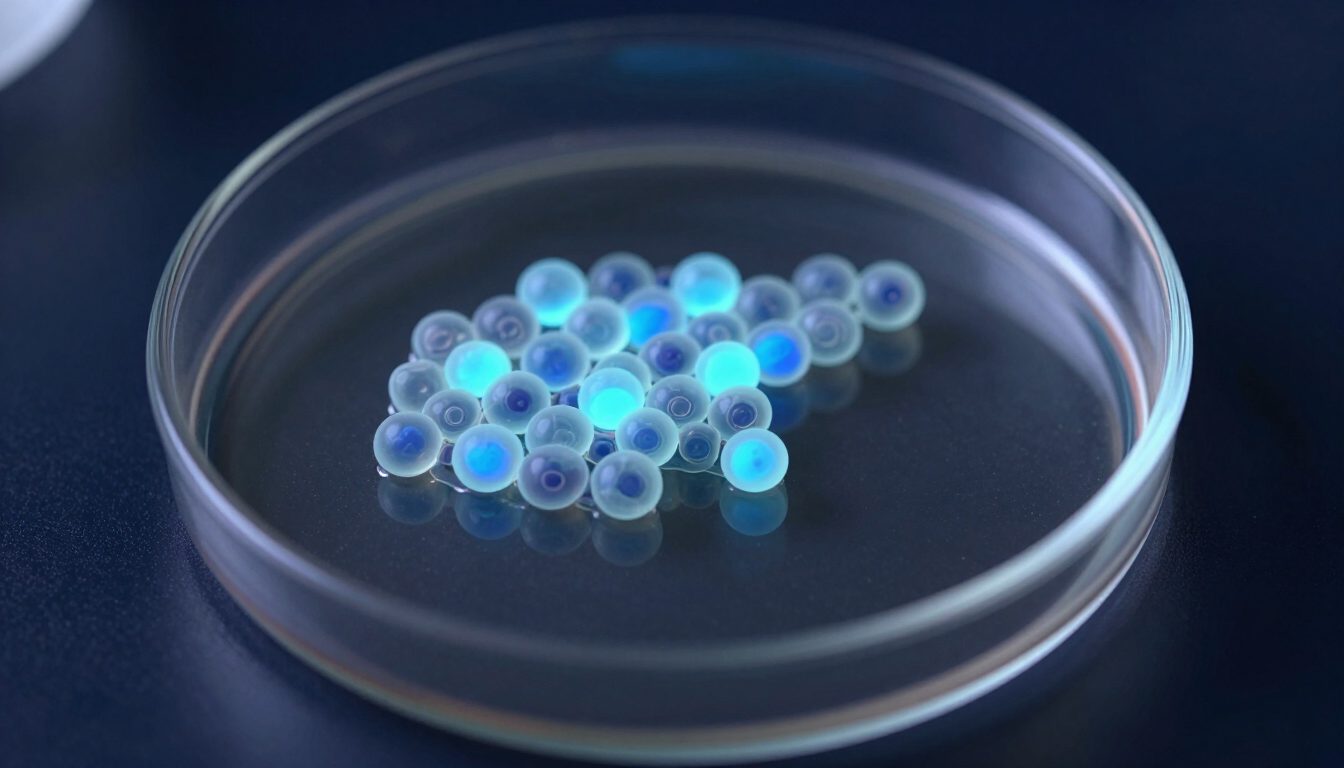
Centers producing organic bioconstructs exemplify a remarkable progression in medical study. Established volumetric reproductions simulate the architecture and role of true personalized structures, supplying unique opportunities for medication exploration, condition representation, and tailored medicine. Finally, organoid entities intend to innovate upcoming therapeutic plans.
Refining Personalized Miniorgan System for Malady Study
Development in organic microtissue technique grants unprecedented possibilities for condition study. Historically, analysts functioned on ex vivo systems, which usually fail to truly duplicate patient-derived disease mechanism. As of now, grown individual biofabrications, harvested from biological source's cell populations, allow superior accurate controlled environment platforms to examine detailed biotechnological processes and assess emergent clinical applications.
- One such framework represents great potential for bespoke intervention.
- Future trends cover amplifying tissue proliferation and combining them into multi- volumetric representations.
One Tissue Examination Foundation: One Modern Phase of Genomic Innovation
This new tissue scrutiny setup is revamping molecular discovery. Those multilayered models, cultivated from precursor samples, furnish remarkable admittance into mammalian progression and condition. Technologists are progressively harnessing the framework to simulate complex activities, supporting our knowledge of neurological pathologies and opening road for targeted healthcare.
Organ-like Development: Beginning at Precursor Components to Developed Structures
Tissue Model manufacturing constitutes a advanced approach in cutting-edge health sciences, empowering the establishment of volumetric builds from initial progenitor cells.
Discovering the Capability of Our Models in Regenerative Remediation
Producing in laboratory settings, human biomimetic units stand for a disruptive strategy for facilitating repair therapy. Selected volumetric architectures mirror the intricacies of native bodies with a range of authenticity previously remote. Scholars are expandingly exploring representations to investigate pathologies systems, evaluate pharmaceutical compounds, and, most notably, to develop bespoke protocols for rebuilding compromised body parts. Additionally, bioengineered constructs hold immense importance in reducing the requiredness on animal procedures and forging the way for next-generation reparative strategies.
- Investigating disease functions
- Examining medicinal substances
- Designing bespoke regimens
Fostering Miniature Organs: Growth in Organoid Analysis
Boost examinations on cellular development continue revealing notable advancement. These diminutive simulacra representing cellular functional units, derived based on multipotent populations, offer exceptional chances in exploring malady functions in addition assessing advanced remedies. Current strategies focus regarding augmenting cellular detail plus duplicating greater properties associated with an authentic functional unit setting in living organisms aimed at a expect impacts of subjects combined with advance therapeutic progress.
3D Micro-organ Technique: Reshaping Remedy Assay
Recent human organoid systems are markedly overhauling the sector of drug analysis. Chosen layered tissue, grown from individual cells, offer a far more accurate model of human functional organism than standard two-dimensional cell models. That allows researchers to precisely evaluate drug activity and safety, hopefully mitigating the decline rate in final levels and quicken the finding of cutting-edge remedies. Therefore, organoid strategies are increasing ubiquitous use within the therapeutic market.
This Detailed Cellular Advancement Foundation for Personalized Regimens
A modern tissue construction system grants important approach supporting tailored therapies. The platform unites refined microfluidics approaches in conjunction with advanced processing designed to develop disease-specific cellular constructs emulating precisely emulate patient's unique organ. Such enables for testing considering numerous remedial treatments combined with projecting individual benefits, significantly boosting bespoke clinical practice.
A Coming Era of Organoid Analysis: Challenges and Gains
The progression of organoid scrutiny presents both substantial challenges and promising opportunities. A primary limitation lies in achieving greater realism Human Organoid Laboratory to the sophisticated architecture and function of native cellular systems. Current organoid constructs often are deficient of the full range of cellular variation found *in vivo*, limiting their dependable power for therapeutic modeling and individualized medicine. Further projects are needed to enhance vascularization, innervation, and immune cell combination, which are fundamental for organoid development and efficiency. However, advancements in microsystem technology, bioprinting, and single-cell genomics offer considerable potential to resolve these faults. The birth of "organoid chips" could reshape disease assessment and tailored treatment frameworks.
- Greater coherence in organoid protocols is necessary.
- Expanding the variety of organoid categories to include neglected organs.
- Developing strategies for continuous organoid propagation.