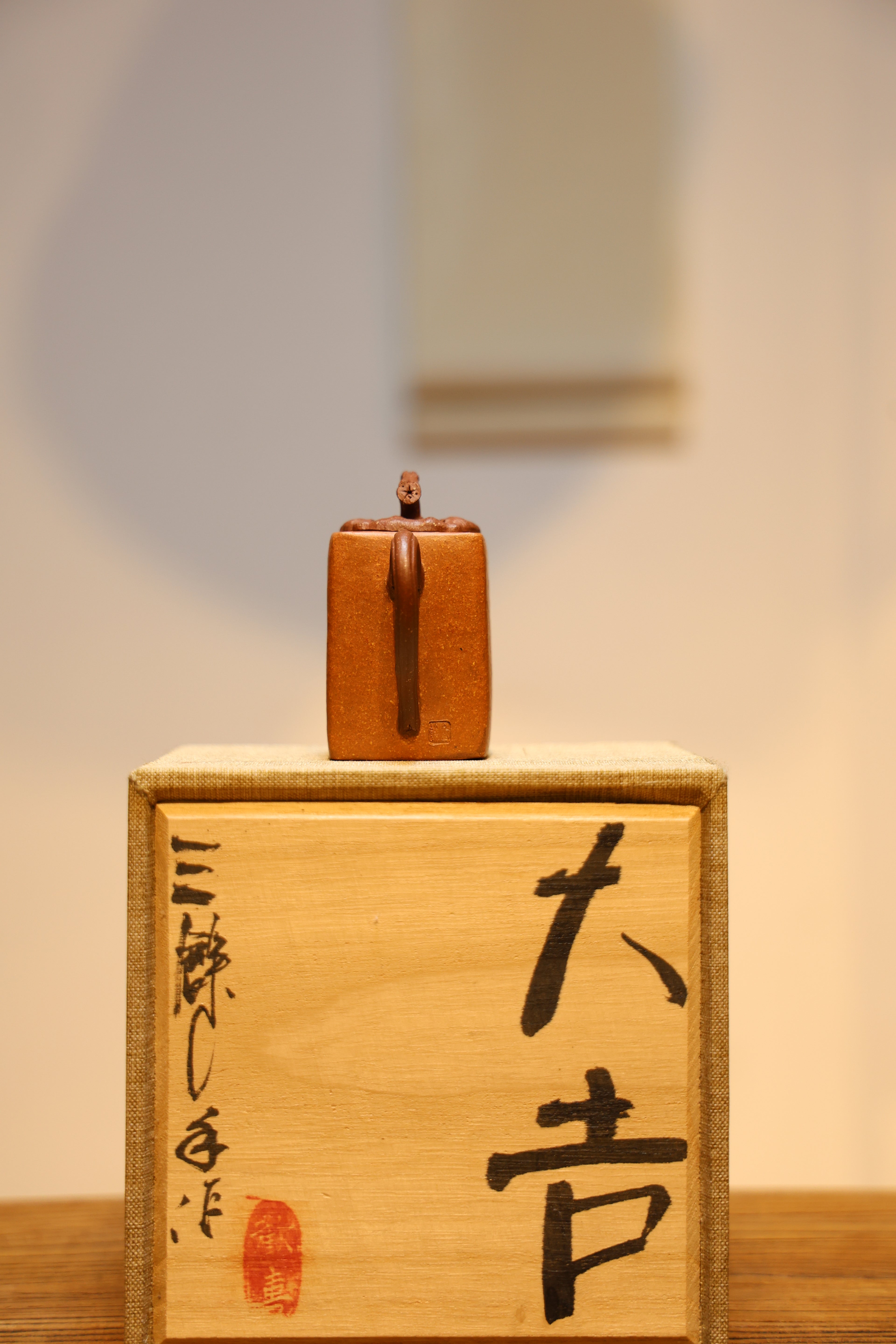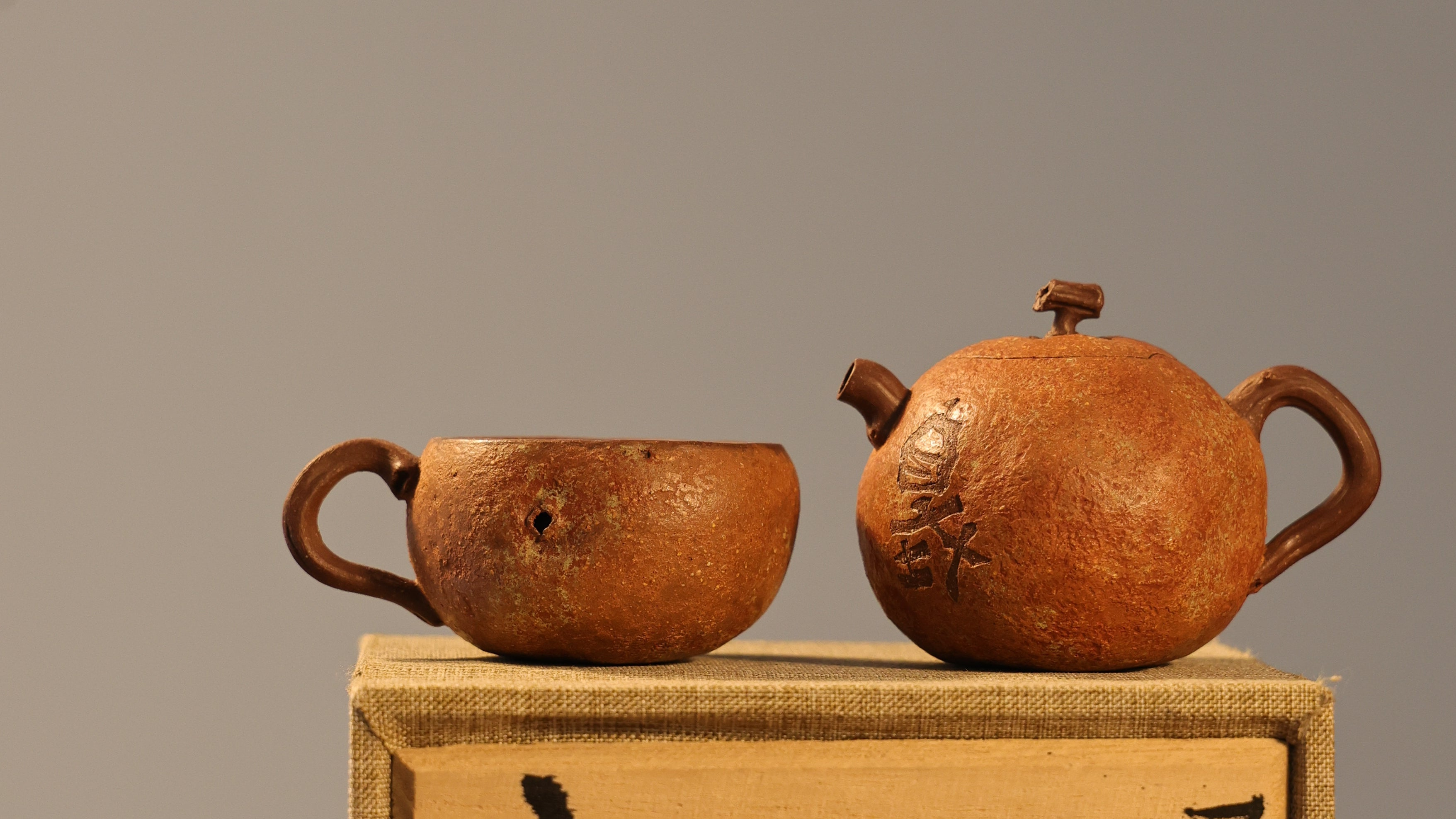
Enduring heritage establishes Jiangnan containers amid generations,
Expressing exclusive properties derived through homegrown mauve minerals, such jars gain a luster amid utilization, augmenting aroma drawn from steeped teas.
Appreciating Yixing Dregs: Broad Insights into Zisha
Myriad lovers celebrate the peculiar consistency of Yixing indigo clay, a foundation of traditional Chinese workmanship. Emanating from the Yixing region of Jiangsu province, this uncommon clay exhibits an detailed mineral composition, in order that contributes superb qualities to the finished teapots. Styles within Zisha, including Hong Mud, Duan Ni Mud, and Jiang Xi Mud, each presents unique colors, structures, and curation traits, modifying the ventilation and the final accent progression of the brew.
Chinese Jar Practices: Investigating Expertise
Far Eastern teapots embody beyond mere flasks for liquid; they symbolize centuries of inherited artistry. From the iconic Yixing clay variations, respected for their spongy nature which adds distinctive nuances to the brew, to the ornate porcelain from Jingdezhen, each piece conveys a story of craft. The fabrication process is an precise mission, often transmitted through houses of artisans. These artists use ancient strategies such as hand-building, molding on wheels, and refining, demonstrating profound reverence for the substance and the skill itself. Ponder the attention invested in each piece as a symbol of Chinese pottery legacy.
- Jiangsu pots: a distinguished selection.
- Elite ceramic teapots: celebrated for their lightweight design.
- Crafting techniques: a laborious yet rewarding procedure.
Eastern Clay Kettle Maintenance: Conserving Your Cherished Item
Necessary support of your cherished Yixing Zisha container is vital to maintaining its condition. Crafted from distinct purple sand dirt, these first-rate teapots develop a complex patina after practice, significantly boosting their allure. Do not use chemicals; a tender rinse with tepid moisture is efficient. Steer clear of hot water for rinsing the teapot, as it may weaken its body. Allow it to dry away from direct radiance. Consider flavoring your teapot regularly using choice tea, especially rich varieties. Here is a brief summary:
- Cleanse with temperate aqueous.
- Shun detergents.
- Let it to evaporate moisture.
- Mature with excellent tea.
History of Yixing Teapots: From Basic Inception
The chronicle of Yixing teapots launches basically during the Yuan dynasty, circa the 16th time. Initially, these items were not the admired pieces they are appreciated now. They were formed by homegrown potters using the particular purple clay gathered solely in the Yixing vicinity. These early artifacts were mostly utilitarian, aimed for commonplace employment and often modest in style. It was not until the later dynasty that they began to earn prestige beyond mere working pieces.
Considering the Appropriate Chinese Vessel: A Beginner's Reference
Embarking the domain of Yixing teapots can be overwhelming, but don't worrying! For apprentices, the central factor is understanding the sediment. Original Yixing clay is prized for its ventilation, allowing the teapot to retain the tea's flavor over time, heightening every creating session. Ponder the design; traditional spherical shapes prevail, yet tailored preferences are important. Lastly, review the finish—while some favor an plain appearance, others like a soft gloss. Take your time in the choice process—this is an deal in a esteemed piece of pottery.
Purple Clay Pitchers and Their Role on Chinese Beverage Lifestyle
Zisha jars, hailing from Yixing, China, have profoundly defined enduring Chinese beverage culture. The Yixing clay teapots, prized for their special color, pattern, and exceptional ability to impart a subtle taste to the concoction, act as more than mere vessels; they are cherished masterpieces and symbols of greatness. The very process of preparing and serving concoction using a Zisha teapot is steeped in meaning, elevating the experience beyond simple refreshment. Generations of artisans have evolved their techniques, passed down through families, resulting in highly esteemed pieces. As a result, Zisha teapots are frequently held, playing a crucial part in cultivating national appreciation for aesthetics and the ritual of drink ceremonies.
- Singular Clay Composition
- Providing Subtle Flavor
- Detailed Craftsmanship
Determining Verified Precious Local Pottery
Procuring a genuine Yixing teapot can be a satisfying experience, but the environment is often infested with frauds. Separating between a Zisha Teapot original antique and a modern reproduction requires detailed inspection. Key hints include the clay's rich brown shade, often displaying marked designs, and the nonexistence of modern roasting imprints. The form should look natural style, reflecting the traditional Yixing approach. Finally, studying the artist's symbol is crucial to verify truthfulness against certified sources.
- Assess the clay's fabric.
- Look for imperfections, indicative of manual quality.
- Employ an expert for authentication.
Obtaining Traditional Clay Pots: A Complete Overview to Ceramics Appreciation
The world of Chinese Zisha earthenware shows a outstanding opportunity for astute buyers. Steadily, the valuation of these well-made artifacts is steered by various elements, such as the caliber of purple clay, the mastery of the creator, the heritage weight, and, naturally, the contemporary appetite. Initiates should familiarize themselves on comprehending the numerous characteristics of Zisha clay—such as Icy Wave, Du Ning, and Hong Ni—and familiarizing the qualities linked to each. Meticulous evaluation of the item's pattern, tint, and emblem is similarly necessary to make wise solutions when investing.