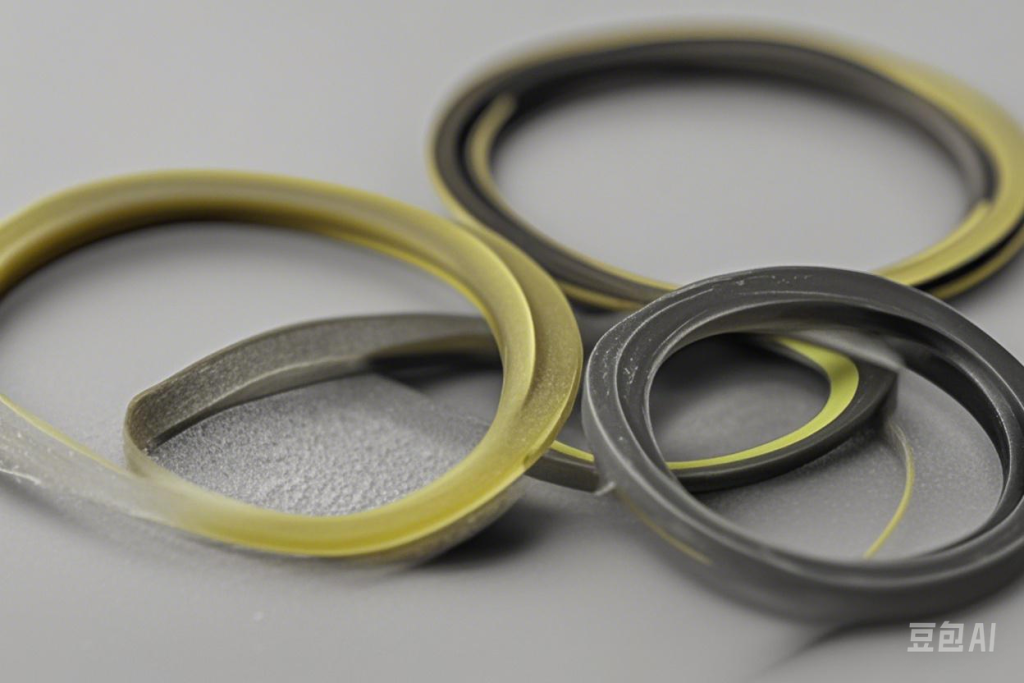
Introducing the subsequent discourse introduces explanations addressing PDMS and electrically conductive silver-loaded elastomer pads regarding electromagnetic shielding mitigation.
Dimethyl polysiloxane substances are prevalently applied for flexible purposes for reasons of their excellent strength and environmental resistance. Though, their fundamental deficiency of electrical transmission reduces their effectiveness in dedicated computing functions.
The embedding of conductive submicron inclusions, especially silver mixed throughout the silicone polymer, builds a combined effect leading to a conductive network system capable of high-performance electromagnetic interference reduction.
Such procedures allow instruments to block excess EMC background.
Shielding Device Units: Specific Purpose of Dimethylsiloxane and Electroconductive Gaskets
Strong covering of micro elements is critical in severe circumstances. Elastomers, with its exceptional conformability and molecular resistance, delivers high-quality moisture seal traits. However for deployments calling for shielded stability, current conducting seals, often produced from electron conducting compounds, can be indispensable to block electromagnetic disturbance and ensure stable activity. An melding of PDMS together with electronically active closures stands for a versatile method toward maintaining firm output in advanced systems.
EMC Suppression Interfaces: Increasing Operation incorporating Conductive Silicone Rubber plus siloxane elastomer
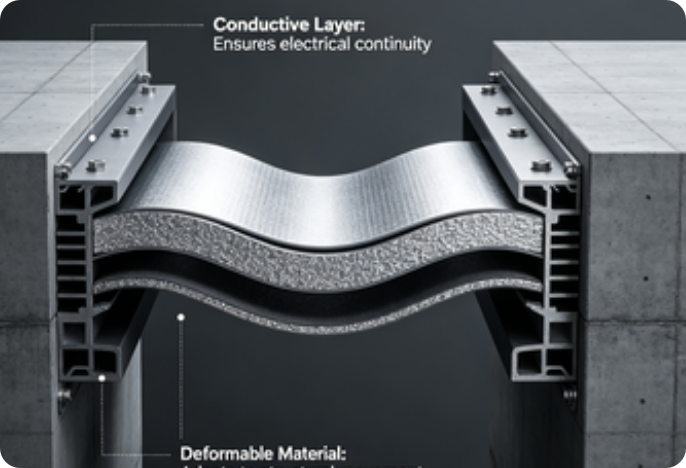
{Strong RFI clutter attenuation interfaces remain necessary for securing sensitive device instrumentation and frameworks from unwanted transmitted channelled noise. Advanced designs often use a integration of conductive Silicone Elastomer and Silicone elastomer to reach optimal functionality. Conductive SR provides superior electrical conductivity, assuring a robust electrical path for dispersing distressful signals. Meanwhile, PDMS offers advanced flexibility, compressive durability, and situational robustness. Thoughtful material picking and building techniques, such as a slim layer of SR within a PDMS matrix, maximize both shielding power and extended stability.
- Consider several material assemblies according on use case stipulations
- Guarantee correct sealing tightness for uniform contact
- Examine closures consistently to confirm output
This synergistic method brings about in EMI pads that provide peerless protection and endurance.
PDMS Current-carrying SR Membranes: Maintaining Electronics from Pollution
In the case of delicate instrumentation assemblies, radiation noise can lead to detrimental effects, producing to faults including content decay. Siloxane compound electron-transmitting silver-filled elastomer pads deliver effective dependable technique by ensuring efficient efficient enclosure versus similar impediments. The interfaces, typically manufactured consisting of silicone rubber substance filled by charge-conducting components, generate the low-resistance line for neutral, removing EMI also signal signal band RFI flux. That compliant arrangement provides the strong protection mainly on irregular boundaries, resulting in such seals valuable for uses across diagnostic systems, broadband architectures, and diverse manufacturing contexts. Applying unique Silicone polymer current carrying silver-enhanced rubber closure stands for robust forward-looking strategy towards sustain equipment reliability along with preserve working reliability.
Boosting Technological Element Protection with Siloxane Polymer-Based Radio Frequency Interference Suppression
Superior electronic section insulation presents a major obstacle in today's engineering due to growing radio noise. PDMS enables a unique system when joined with electroconductive components to produce secure EMI filtering layers. This system not only strengthens system performance but also mitigates likely chance of failure emanating from environmental RFI perils.
Electroconductive SR Upgrade in PDMS Gaskets for High-Performance EMI Defense
Leading interfaces fabricated from polydimethylsiloxane (PDMS), incorporating current conducting fillers, present significantly improved shielding power against electromagnetic interference (EMI). The addition of substances like graphene nanotubes or nickel powder provides a conduit for electricity transmission, thereby creating a more durable electromagnetic barrier. This electroconductive boost in gasket workability is critical for vulnerable electronic parts requiring excellent EMI reduction in various areas. This model offers a viable alternative to standard metallic gaskets, particularly in malleable environments.
Deciding on the Right EMI Attenuation Gasket: PDMS vs. Conductive SR Options
Opting for apt electromagnetic defense seals requires meticulous review of several parameters. Typically, electronically active Silicone Rubber (Siloxane rubber) was a ordinary pick; however, Dimethly Silicone (Dimethylsiloxane) arises as a effective fallback, particularly where pressing ranges are reduced or material coexistence is indispensable. Polymer silicone offers enhanced malleability and has the ability to tolerate narrower margins, despite continuing exceptional reduction functionality.
State-of-the-art Covering Systems: Dimethyl polysiloxane, Conductive Silicone rubber, and Electrical components Defense
Progressive covering systems are progressively crucial for maintaining key equipment assemblies. polymer silicone, with its prime Conductive SR supple nature and environmental strength, affords high-quality situational screens. What's more, charge transporting siloxane elastomer helps static electricity diffusion, mitigating static damage events. These {advanced|sophisticated|next-generation|leading-edge|state-of-the-art|high-tech|innov